
#ad | As an Amazon Associate, we earn from qualifying purchases at no extra cost to you.
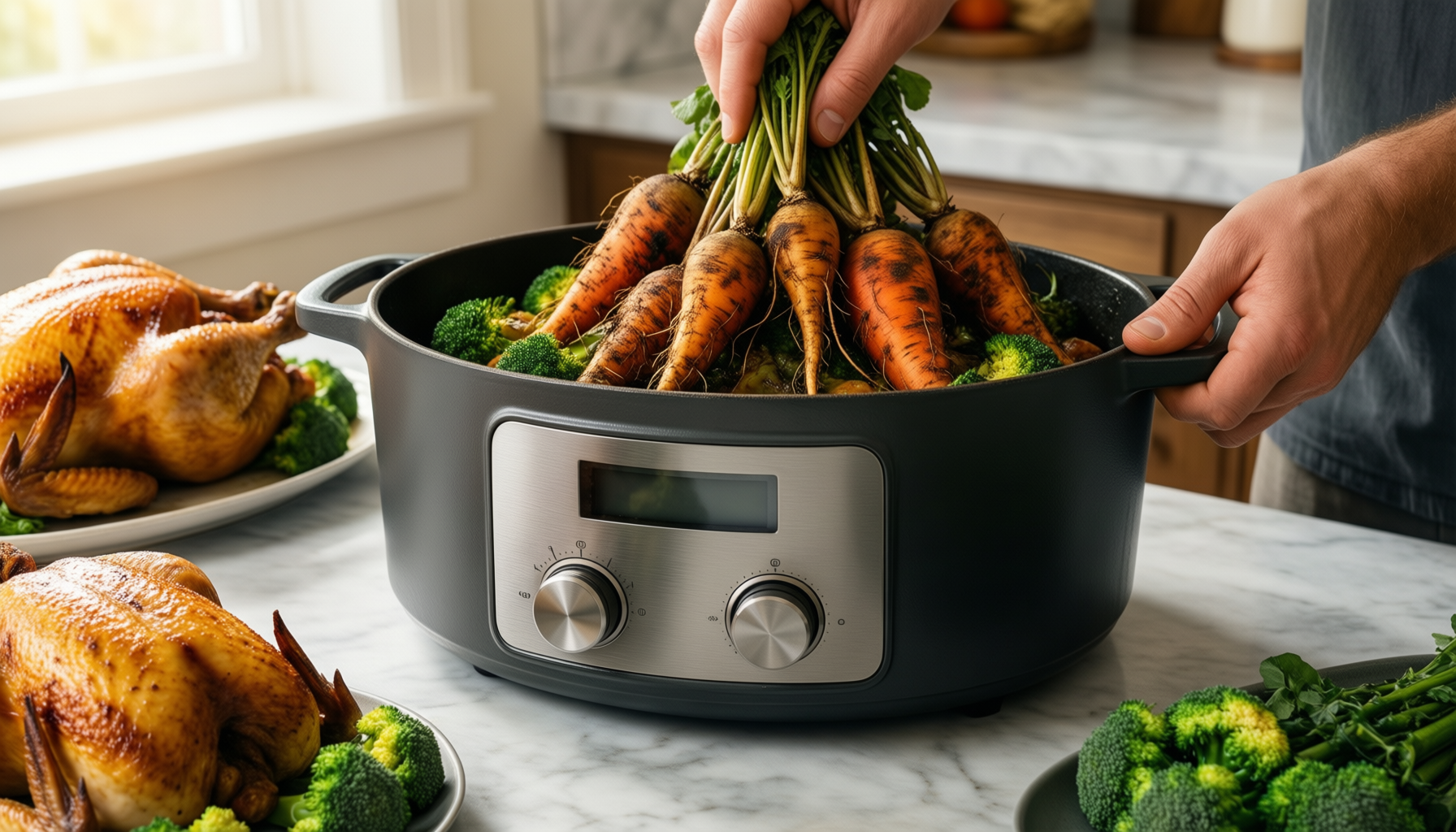
The MICHELANGELO cast iron dutch oven addresses a specific gap in UK kitchens: the need for a 24cm/3.8L vessel that performs reliably on induction hobs without the premium price tag of heritage brands. Its standout feature is the 100% PFOA, PTFE, lead, and cadmium-free enamel coating, which ensures safe, non-reactive cooking for acidic ingredients like tomatoes. However, the 3.8L capacity limits it to smaller portions, meaning large family roasts will not fit. This model is best for home cooks seeking a versatile, induction-compatible pot for braising, baking, and sautéing in compact kitchens.
Solving the UK Induction Heat Gap
Many UK households have upgraded from gas to induction hobs, but standard cast iron often struggles with magnetic field efficiency. The MICHELANGELO cast iron dutch oven is explicitly designed to be suitable for ceramic, electric, gas, grill, and induction cooking stoves. This compatibility means the base interacts effectively with the magnetic field, ensuring consistent heat transfer without the hot spots common in non-induction-friendly cookware.
🛒 Check Price on Amazon →✓ See today's price & reviews
The thick-walled construction plays a critical role in this process. By retaining heat effectively, the pot maintains a stable temperature even when the induction hob cycles on and off. This is particularly useful for slow-cooking tasks like braising, where sudden temperature fluctuations can ruin the texture of the meat. The porcelain-enamel exterior finish also allows for elegant kitchen-to-table serving, reducing the need to transfer food to a separate serving dish.
Unlike typical raw cast iron options that require extensive seasoning and may not work on all induction models, this enameled version offers a smoother transition for new induction users. The tight-fitting lid helps trap steam, which is essential for the braising and steaming techniques that rely on consistent heat. For cooks who have found their old cast iron pots ineffective on modern hobs, this model provides a reliable alternative that bridges the gap between traditional cookware and modern technology.
Base Design and Magnetic Efficiency
The effectiveness of induction cooking depends on the magnetic properties of the cookware base. This product’s design ensures that the magnetic field penetrates the material efficiently, converting energy into heat directly within the pot. This direct heating method is more efficient than conduction heating, which relies on a burner heating the air and then the pan.
Buyers report that the heat distribution is even, preventing the common issue of food burning in the center while remaining raw at the edges. This even cooking is a direct result of the thick walls and the specific design of the base. It allows for precise control over the cooking process, which is crucial for delicate tasks like sautéing eggs or frying potatoes.
Transitioning from Gas to Induction
For those moving from gas hobs, the lack of visible flames can be disorienting. The MICHELANGELO cast iron dutch oven provides a familiar cooking experience with the precision of induction. The sturdy side handles make it easy to manage the pot, even when it is filled with liquid or heavy ingredients.
The ability to use the pot on the grill or in the oven adds versatility that gas-only cookware often lacks. This flexibility means that a single pot can handle multiple cooking methods, reducing the number of specialized items needed in the kitchen. For small households or those with limited storage space, this multi-functionality is a significant advantage.
Who Should Skip This Model
While this product is versatile, it is not suitable for every cooking scenario. The 3.8L capacity is a hard limit that excludes users who regularly cook for large families. A whole roast chicken or a large pot of stew for six or more people will not fit comfortably within these dimensions.
The enamel coating, while durable, requires careful handling to prevent chipping. In areas with extremely high water hardness, limescale buildup can occur if the pot is not dried properly after washing. This is a specific maintenance consideration for UK users in hard water zones.
Furthermore, the lack of a self-basting lid design means that moisture retention relies entirely on the tight fit of the lid and the cooking method. Premium brands often feature lids with spouts or condensation channels that actively return moisture to the food. This model relies on passive retention, which may not be sufficient for very long braises where maximum moisture is critical.
Capacity Limitations for Family Meals
The 24cm diameter and 3.8L volume are ideal for one or two people. If you frequently cook for four or more, you will find that the pot is too small for main course roasts. You may need to cook in batches, which extends cooking time and complicates meal planning.
For those who enjoy making large batches of soup or chili for freezing, this size is also restrictive. You will need to use a larger pot for initial cooking and then portion the food out. This limitation is a direct consequence of the compact design, which is a trade-off for ease of handling and storage.
Enamel Durability in Hard Water
Hard water contains high levels of minerals that can leave white deposits on enamel surfaces. While the interior is non-reactive, the exterior can show signs of limescale if not wiped dry. The inclusion of three pot protectors helps prevent chipping, but they do not address mineral buildup.
Users in hard water areas should ensure the pot is thoroughly dried after handwashing. The recommendation for handwashing is important here, as abrasive scrubbing can damage the enamel over time. Proper care is essential to maintain the smooth glass surface and prevent long-term damage.
Value and Material Integrity
The MICHELANGELO cast iron dutch oven offers a compelling alternative to premium brands without the associated cost. The use of natural sand and clay in the molding process ensures a robust cast iron base. This traditional method provides the durability and heat retention that cast iron is known for.
The 100% PFOA, PTFE, lead, and cadmium-free enamel coating is a significant safety feature. Many cheaper alternatives use coatings that may contain harmful chemicals, but this product explicitly states its freedom from these substances. This makes it a safer choice for families and those concerned about chemical leaching into food.
Compared to raw cast iron, which requires seasoning and can rust, this enameled version is easier to maintain. The smooth glass surface won’t react to ingredients, making it ideal for acidic dishes like tomato sauces. While premium brands offer similar features, this model provides the core benefits at a more accessible price point.
Material Composition and Safety
The cast iron is formed using a mold made out of natural sand, clay, or a combination of the two. This process allows the metal to form its shape with high precision. The resulting pot is thick-walled, which is essential for even heat distribution and long-term durability.
The enamel coating is applied to both the interior and exterior, providing a seamless finish. This coating protects the cast iron from rust and makes the pot non-stick to some degree. The safety certifications listed in the description ensure that the materials are free from toxic heavy metals, which is a critical factor for food safety.
Comparison with Premium and Raw Options
Unlike raw cast iron, which requires regular oiling to prevent rust, this enameled pot is easier to clean and maintain. It can be used with acidic ingredients without worrying about the seasoning being stripped. This makes it more versatile for a wider range of recipes.
Compared to premium enameled cast iron brands, this model may not have the same level of finish or brand prestige. However, it offers the same core functionality: even heating, durability, and oven safety up to 500℉. For most home cooks, the performance difference is negligible, making this a practical choice for everyday use.
Managing Hard Water and Cleaning
Maintaining the enamel is crucial for the longevity of the pot. The recommendation for handwashing is not just a preference but a necessity to preserve the coating. Dishwashers can be too harsh, potentially causing the enamel to chip or fade over time.
In UK conditions, where hard water is common, limescale can build up on the exterior. To prevent this, wipe the pot dry immediately after washing. The three pot protectors included in the package help prevent chipping during storage, but they do not protect against moisture.
The stainless steel knob is safe at any oven temperature, which is a useful feature for oven use. However, the knob itself can accumulate grease and grime, so it should be wiped down regularly. Proper cleaning ensures that the pot remains in good condition and continues to perform well.
Preventing Limescale Buildup
Limescale is a common issue in hard water areas. It appears as white, crusty deposits on the surface of the pot. To prevent this, avoid leaving water in the pot for extended periods. After washing, dry the pot thoroughly with a soft cloth.
If limescale does build up, it can be removed with a mild acid solution, such as vinegar. Apply the solution to the affected area, let it sit for a few minutes, and then scrub gently with a non-abrasive sponge. This method is safe for the enamel and will not cause damage.
Safe Cleaning Methods
Use a soft sponge or cloth to clean the interior and exterior of the pot. Avoid using steel wool or abrasive scrubbers, as these can scratch the enamel. For stuck-on food, soak the pot in warm, soapy water for a few minutes before scrubbing.
The non-stick nature of the enamel makes cleaning easier, but it is not completely non-stick. Some foods, like onions or garlic, may stick if not cooked properly. Patience and gentle cleaning are key to maintaining the pot’s appearance and functionality.
Cooking with 3.8L Capacity
The 3.8L capacity is suitable for a variety of recipes, from soups to braises. It is large enough for a small family meal but compact enough for easy handling. The tight-fitting lid helps trap heat and moisture, which is essential for slow-cooking methods.
This size is ideal for braising smaller cuts of meat, such as chicken thighs or pork chops. The pot is also suitable for baking bread, as the thick walls provide even heat distribution. The ability to use the pot on the stovetop and in the oven makes it a versatile tool for many cooking tasks.
Portion Sizing and Recipe Adaptation
When adapting recipes for this size, consider the portion size. A 3.8L pot is suitable for two to three people. If you are cooking for more, you may need to scale down the recipe or use a larger pot.
For braising, use smaller cuts of meat that fit easily within the pot. This ensures that the meat is fully submerged in the liquid and cooks evenly. The tight-fitting lid helps retain moisture, which is crucial for tenderizing tough cuts of meat.
Using the Lid for Steaming and Baking
The lid can be used for steaming vegetables or baking bread. The tight fit traps steam, which cooks the food quickly and evenly. For baking bread, the lid helps create a moist environment that is ideal for developing a good crust.
The stainless steel knob is safe for oven use, so you can leave the lid on while baking. This makes it easy to monitor the cooking process without removing the lid and losing heat. The versatility of the lid makes this pot a valuable addition to any kitchen.
Final Verdict
The MICHELANGELO cast iron dutch oven is a practical and versatile choice for home cooks in the UK. Its induction compatibility, safe enamel coating, and compact size make it suitable for a wide range of cooking tasks. While it has limitations in capacity and requires careful maintenance in hard water areas, it offers excellent value for money.
Who This Is Perfect For: This model is ideal for home cooks in compact UK kitchens who have recently switched to induction hobs and need a reliable, multi-functional pot for everyday cooking. It is particularly well-suited for those who prioritize food safety (due to the PFOA/PTFE/lead/cadmium-free coating) and want to cook acidic dishes like tomato sauces without worrying about seasoning or reactivity. It serves well for individuals or couples who cook for one to three people and need a vessel that can move from stovetop to oven for braising, baking, and sautéing.
Who Should Choose Alternatives: You should look for a larger capacity (5L or more) if you regularly cook for families of four or more, as the 3.8L limit will require batch cooking for main courses. If you live in a region with extremely hard water and prefer low-maintenance cookware, the need for strict handwashing and immediate drying to prevent limescale may be a drawback. Additionally, if you require a self-basting lid with condensation channels for very long, dry braises, this model’s passive moisture retention may not meet your specific needs compared to premium brands with active basting features.
🛒 Check Price on Amazon →✓ See today's price & reviews