
#ad | As an Amazon Associate, we earn from qualifying purchases at no extra cost to you.
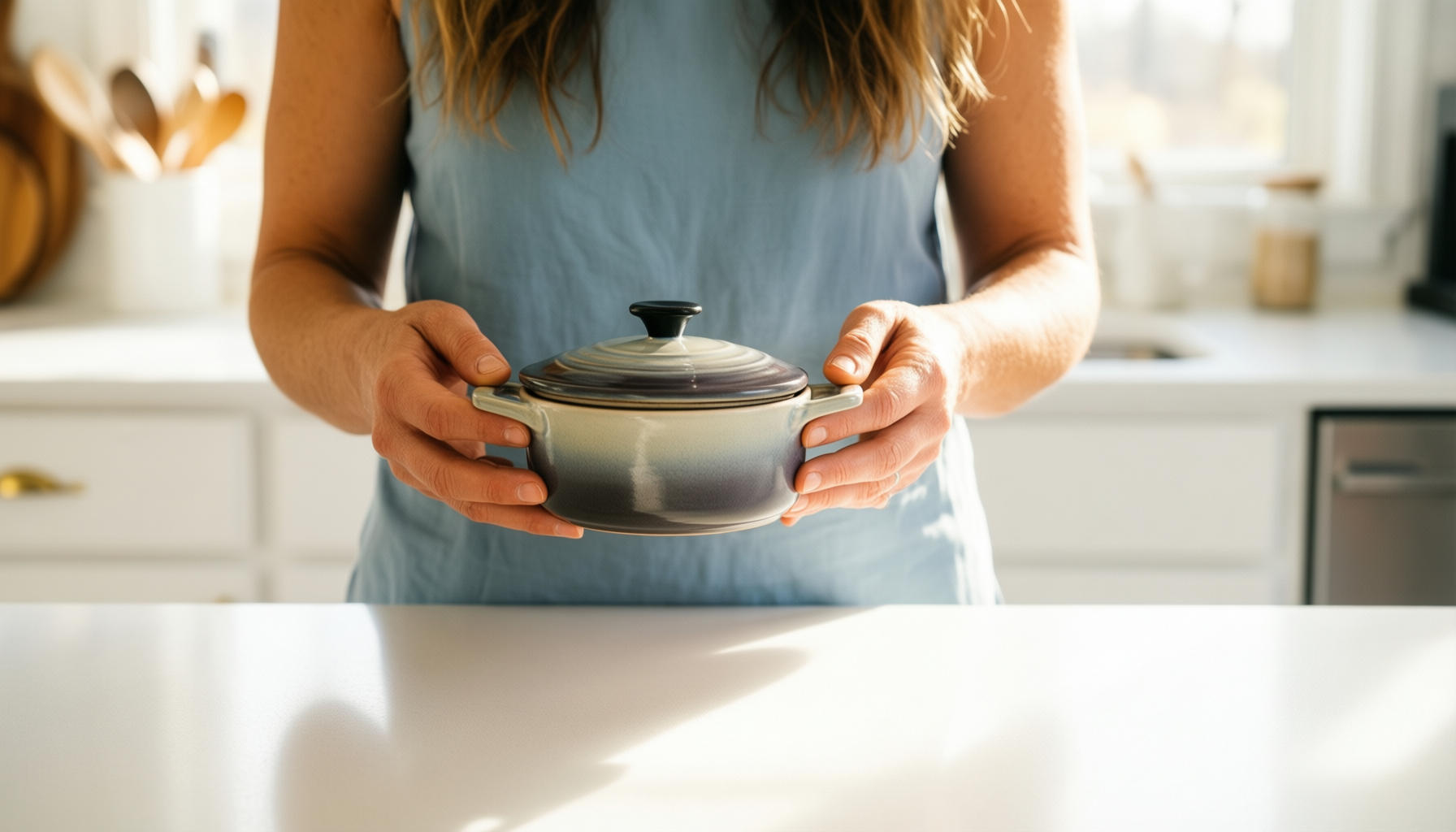
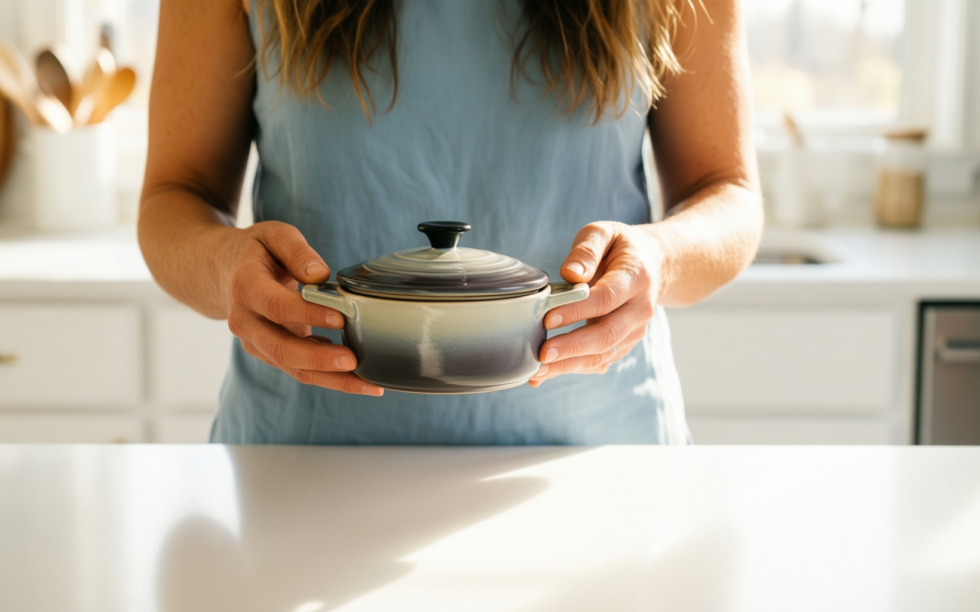
This 24 oz. stoneware vessel addresses the specific challenge of cooking single-portion meals without the waste associated with standard-sized Dutch ovens. Its standout feature is the premium stoneware construction, which ensures excellent heat distribution for uniform browning without hot spots—a critical detail for small-batch cooking. However, the 24 oz. capacity is a hard limitation that makes it unsuitable for cooking for more than one person or handling large cuts of meat. This product is best for solo home cooks who value aesthetic presentation and need a dedicated vessel for individual servings of stews, gratins, or baked desserts.
The primary utility of this model lies in its ability to handle individual servings without the logistical hassle of scaling down recipes for larger pots. Standard Dutch ovens often require cooking for four or more people, leading to food waste or the need for complex storage solutions for leftovers. The 24 oz. capacity of this stoneware piece allows a cook to prepare a single serving of risotto, stew, or gratin that matches the actual consumption of one person. This precision eliminates the need to reheat large quantities of food, which often degrades texture and flavor, ensuring that each meal is served fresh and at the intended temperature.
🛒 Check Price on Amazon →✓ See today's price & reviews
The material composition plays a crucial role in maintaining the quality of these small batches. The product description highlights that the premium stoneware ensures excellent heat distribution, which is vital when cooking a small volume of food. In larger pots, the ratio of surface area to volume can lead to uneven cooking, but in a compact vessel, the heat retention keeps food warm or cold for serving without the risk of scorching the bottom. This even cooking capability means that a single portion of a creamy dish will not dry out or burn at the edges while the center cooks, a common issue when using oversized cookware for individual meals.
The Practicality of Single-Portion Cooking
The versatility of this size extends beyond savory dishes to include sweet treats. The description notes that it is perfect for sharing the love with sweet treats baked in the Mini Cocotte, such as cobblers or pot pies. For a solo cook, this means the ability to bake a small, individual dessert without needing to use a full-sized baking pan that would require multiple servings. The nonporous and non-reactive glaze ensures that the flavors of the food do not absorb into the material, allowing the same vessel to be used for both savory stews and sweet bakes without cross-contamination of tastes.
Heat Retention in Small Volumes
The superior heat retention mentioned in the specifications is particularly beneficial for small-batch cooking. When cooking a single portion, the food mass is small, meaning it can cool down quickly if the vessel does not retain heat effectively. This stoneware piece keeps food warm for serving, which is essential for dishes that require a final simmer or a brief rest after cooking. This feature ensures that the dish remains at an optimal temperature until it is plated, maintaining the intended culinary experience for the single diner.
Versatility for Baking and Storing
Beyond cooking, this model serves as a functional storage and prep container. The description states that cocottes are versatile for prepping and storing ingredients. For a solo cook, this means having a dedicated, aesthetically pleasing container for storing prepped vegetables or sauces in the refrigerator. The nonporous glaze resists stains and flavor absorption, making it a hygienic choice for storing various ingredients without the risk of lingering odors or tastes from previous uses.
Aesthetic Value and Durability of the Glaze
The Marseille color offers a deep, vibrant blue that stands out in modern kitchen settings, providing a decorative accent that is both functional and visually appealing. The product description emphasizes that the colorful glaze is nonporous, non-reactive, and scratch-resistant, which addresses common concerns about the durability of enameled cookware. This specific finish resists stains and flavor absorption, ensuring that the vibrant color remains intact over time without fading or becoming dull from daily use. For a cook who values the presentation of their meals, having a dedicated, beautiful pot for solo meals adds a layer of care and attention to the dining experience.
The durability of the enamel finish is a key factor in the longevity of this product. The description notes that the glaze is scratch-resistant and resists cracking and crazing, which are common issues with lower-quality stoneware or cast iron. This resistance to physical damage means that the vessel can withstand the rigors of daily use, including the use of metal utensils, which are explicitly stated as safe for this product. This is a distinct advantage over many other stoneware options that require the use of wooden or silicone utensils to prevent scratching, offering greater flexibility in the kitchen.
The aesthetic value of this product is not just about the color but also about the consistency of the finish. The nonporous nature of the glaze means that it does not absorb liquids or oils, which can lead to staining and discoloration over time. This is particularly important for a product that is used for both cooking and serving, as it ensures that the exterior remains clean and presentable. The ability to maintain a pristine appearance without extensive cleaning efforts makes this a practical choice for those who want their cookware to look as good as it performs.
Resistance to Daily Wear
The scratch-resistant nature of the glaze is a critical feature for long-term use. In a typical kitchen, cookware is subjected to various forms of wear, including contact with utensils, other dishes, and the dishwasher. The specification that the glaze is scratch-resistant and resists cracking and crazing suggests that this product is designed to withstand these conditions without degradation. This durability ensures that the aesthetic appeal of the Marseille color is preserved, even after years of use.
Maintenance of Color Integrity
The nonporous and non-reactive properties of the glaze contribute to the maintenance of its color integrity. Unlike porous materials that can absorb dyes or oils, this stoneware surface does not allow substances to penetrate the material. This means that the deep blue color of the Marseille finish is less likely to be affected by the foods cooked in it, ensuring that the vessel remains visually consistent over time. This is a distinct advantage for those who use their cookware as part of their table setting, as it ensures that the presentation remains appealing without the need for constant polishing or treatment.
Limitations of the 24 oz. Capacity
The 24 oz. capacity of this stoneware vessel is a deliberate design choice that limits its use to single-portion cooking. This size is inadequate for cooking for two or more people simultaneously, as it cannot accommodate the volume of food required for a shared meal. For households that regularly cook for multiple people, this product will not serve as a primary cooking vessel, and users will need to rely on larger pots for their main meals. This limitation is a critical factor for buyers to consider, as it restricts the versatility of the product in a multi-person household.
The small size also poses challenges for cooking large cuts of meat or whole chickens. The interior dimensions of a 24 oz. vessel are not sufficient to accommodate such items, making it unsuitable for roasting or braising larger proteins. This means that users who enjoy cooking whole birds or large roasts will find this product impractical for those specific tasks. The design is intended for smaller, individual portions, and attempting to use it for larger items will likely result in poor cooking results or physical damage to the vessel.
Additionally, this product is not a replacement for a standard 5-quart Dutch oven. The capacity difference is significant, and the functions of the two vessels are distinct. A 5-quart Dutch oven is designed for large-batch cooking, such as soups, stews, and braises for multiple people, while the 24 oz. mini cocotte is designed for individual servings. Users should not expect this product to perform the same tasks as a larger Dutch oven, as the scale of the cooking process is fundamentally different. This distinction is important for managing expectations and ensuring that the product is used in a way that aligns with its design specifications.
Inadequacy for Multi-Person Meals
The primary limitation of this product is its inability to cook for more than one person. The 24 oz. capacity is simply too small to accommodate the volume of food required for a shared meal. For a household of two or more, this product will only be useful for individual side dishes or desserts, not for main courses. This limitation means that it cannot serve as a primary cooking vessel for a multi-person household, and users will need to rely on larger pots for their main meals.
Restrictions on Large Proteins
The interior space of this vessel is not sufficient for cooking large cuts of meat or whole chickens. The dimensions are designed for small, individual portions, and attempting to use it for larger items will likely result in poor cooking results. The heat distribution and capacity are optimized for small volumes, and using it for larger items will compromise the quality of the food. This restriction is a key consideration for buyers who enjoy cooking larger proteins, as this product will not be suitable for those tasks.
Care and Maintenance for Enameled Stoneware
The care instructions for this product are straightforward but require attention to detail to maintain the integrity of the glaze. The description states that the product is safe for the freezer, oven, microwave, broiler, dishwasher, and metal utensils. However, it also recommends hand washing with warm, soapy water. This dual recommendation suggests that while the product is dishwasher safe, hand washing may be preferable to prevent water spots or potential damage to the glaze over time. For users in hard water areas, hand washing may be necessary to avoid the buildup of mineral deposits that can affect the appearance of the glaze.
The use of metal utensils is explicitly stated as safe, which is a distinct advantage over many other stoneware products that require the use of wooden or silicone utensils to prevent scratching. This flexibility allows users to use their preferred utensils without worrying about damaging the surface. However, it is important to use utensils that are not excessively sharp or abrasive, as this could still cause scratches over time. The scratch-resistant nature of the glaze provides a layer of protection, but proper care is still necessary to maintain the surface.
Storage is another important aspect of maintaining this product. The description does not provide specific storage instructions, but it is generally recommended to store stoneware in a way that prevents chipping or scratching. This means avoiding stacking heavy items on top of the vessel or placing it in a crowded cabinet where it could be knocked against other dishes. Proper storage ensures that the glaze remains intact and that the vessel is protected from physical damage.
Dishwasher Safety and Water Spots
While the product is stated to be dishwasher safe, hand washing is recommended to prevent water spots. In hard water areas, the mineral content in the water can leave deposits on the glaze, affecting its appearance. Hand washing with warm, soapy water allows for more control over the cleaning process and ensures that the glaze is rinsed thoroughly, preventing the buildup of mineral deposits. This is a simple but important step to maintain the aesthetic appeal of the Marseille color.
Preventing Chipping and Scratching
To prevent chipping or scratching, it is important to handle the vessel with care. Avoid dropping it or placing it in a crowded cabinet where it could be knocked against other dishes. The scratch-resistant glaze provides protection, but physical impacts can still cause damage. Proper storage and handling ensure that the vessel remains in good condition for years to come.
Who Should Skip This Pot
This product is not suitable for households that regularly cook for multiple people. The 24 oz. capacity is too small to accommodate the volume of food required for a shared meal, making it impractical for main courses in a multi-person household. Users who need to cook for two or more people will find that this product is limited to side dishes or desserts, and they will need to rely on larger pots for their main meals. This limitation is a critical factor for buyers to consider, as it restricts the versatility of the product in a multi-person household.
It is also not suitable for cooks who enjoy preparing large cuts of meat or whole chickens. The interior dimensions of this vessel are not sufficient to accommodate such items, making it unsuitable for roasting or braising larger proteins. Users who enjoy cooking whole birds or large roasts will find this product impractical for those specific tasks. The design is intended for smaller, individual portions, and attempting to use it for larger items will likely result in poor cooking results or physical damage to the vessel.
Finally, this product is not a replacement for a standard 5-quart Dutch oven. The capacity difference is significant, and the functions of the two vessels are distinct. A 5-quart Dutch oven is designed for large-batch cooking, such as soups, stews, and braises for multiple people, while the 24 oz. mini cocotte is designed for individual servings. Users should not expect this product to perform the same tasks as a larger Dutch oven, as the scale of the cooking process is fundamentally different. This distinction is important for managing expectations and ensuring that the product is used in a way that aligns with its design specifications.
Final Verdict on Suitability
The Le Creuset Mini Cocotte Marseille is a specialized tool for solo cooking and individual serving. Its 24 oz. capacity and premium stoneware construction make it ideal for preparing single portions of stews, gratins, and baked desserts with excellent heat distribution and retention. The durable, scratch-resistant Marseille glaze offers both aesthetic appeal and practical longevity, supporting the use of metal utensils and dishwasher safety while recommending hand washing for optimal care.
Who this is perfect for: Solo home cooks who value presentation and need a dedicated vessel for individual meals. It is particularly well-suited for those who prepare single servings of risotto, stews, or baked desserts and want to avoid the waste associated with larger cookware.
Who should choose alternatives instead: Households that regularly cook for two or more people should look for standard-sized Dutch ovens or larger pots. Additionally, cooks who frequently prepare large cuts of meat or whole chickens will find this vessel too small for those tasks and should opt for larger roasting pans or braising pots.
🛒 Check Price on Amazon →✓ See today's price & reviews