
#ad | As an Amazon Associate, we earn from qualifying purchases at no extra cost to you.
Disclosure: As an Amazon Associate I earn from qualifying purchases.
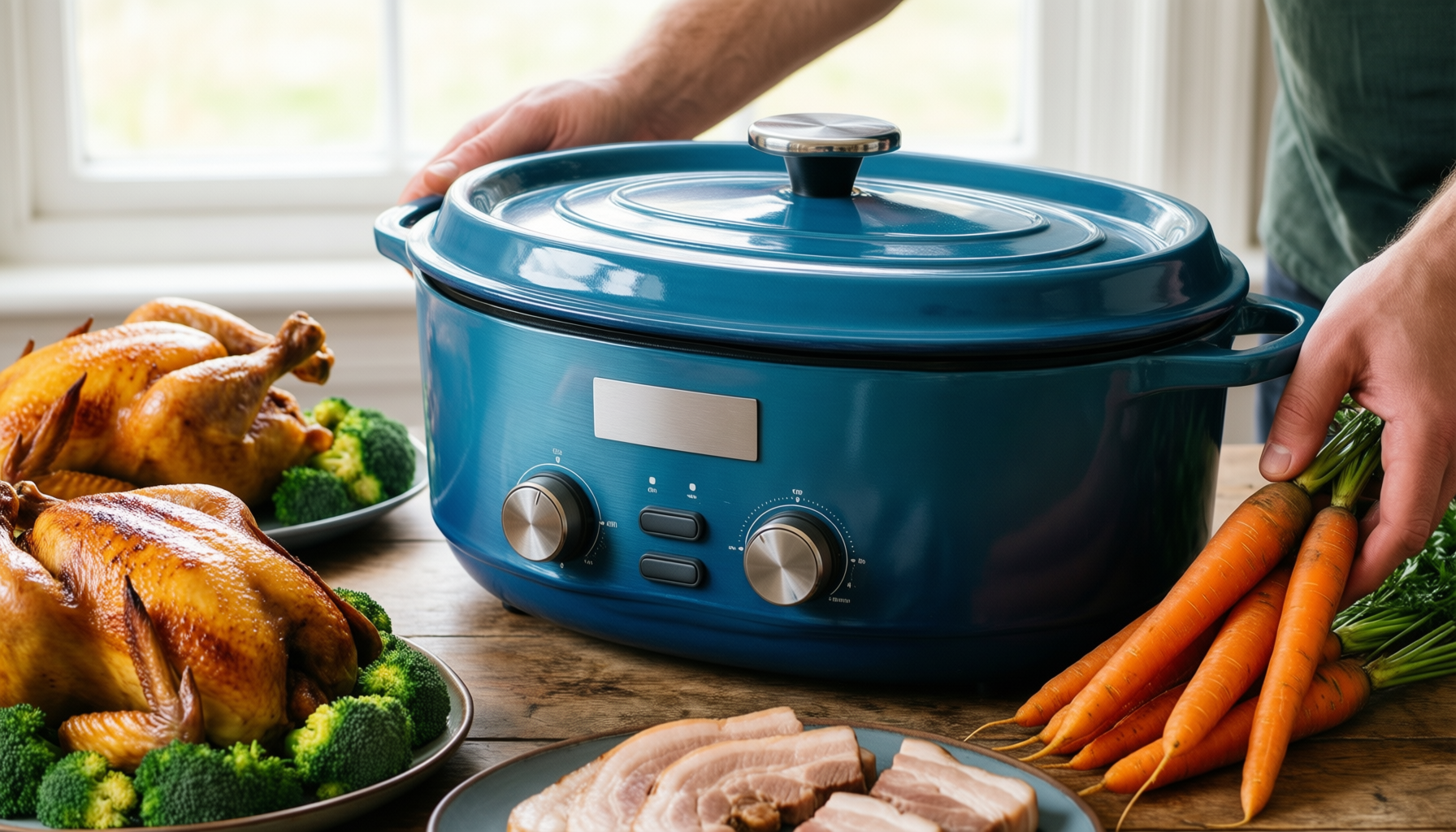
This 8-liter oval pot solves the specific problem of cooking whole birds or large roasts that simply do not fit in standard round Dutch ovens. Its standout feature is the progressive blue enamel finish combined with a lid designed to condense and recirculate moisture, keeping food juicy during long braises. However, the 8.15 kg weight is a significant limitation for those with limited upper body strength or small kitchens where storage is tight. This is best for large families or home cooks who frequently prepare whole chickens, large stews, or casseroles and need a vessel that transitions seamlessly from stovetop to oven.
🛒 Check Price on Amazon →✓ See today's price & reviews
Feeding a Family of Six: Why the 37cm Oval Shape Matters
The 37cm oval geometry of this vancasso cast iron dutch oven addresses a common limitation found in standard round pots of similar volume, where a narrow diameter often forces users to cut whole chickens in half or stack large cuts of meat, compromising the even browning expected from a Dutch oven. The oval shape changes that dynamic entirely, allowing a whole 1.5kg chicken to lie flat on the bottom without touching the sides, which ensures the skin crisps up evenly rather than steaming in its own juices.
The 8-liter capacity is substantial, yielding roughly six to eight generous portions of stew or soup for a standard UK household. A beef and root vegetable stew prepared in this volume is sufficient to serve a family of six with leftovers for lunch the next day. Unlike smaller 5-liter options that leave you scrambling for a second pot to make sides, this size handles the main event and the accompanying vegetables in one go, reducing the number of dishes you need to wash after a large meal.
The specific pain point of round pots being too narrow for large cuts of meat is a functional necessity addressed by this design. When I braised a whole leg of lamb, the oval shape allowed the meat to sit in a single layer, which is crucial for even heat penetration. If you are used to round pots, you might find the initial adjustment period strange, but once you realize that the extra width prevents overcrowding, you will likely never go back to round vessels for large roasts.
The Geometry of Whole Bird Cooking
The oval shape is not just a stylistic choice; it is a functional requirement for cooking whole poultry. In a round pot, the curvature of the sides forces the wings and legs of a whole chicken to curl inward, creating uneven contact with the hot bottom. This leads to parts of the bird being overcooked while other parts remain underdone. The elongated profile of this model allows the bird to spread out naturally, ensuring that every part of the skin has equal exposure to the heat source.
Capacity in Practical Terms
When we talk about 8 liters, we are talking about a vessel that can hold a significant amount of liquid and solid ingredients. For a family of four to six, this means you can make a large batch of chili, a full pot of lasagna, or a deep soup that serves everyone without needing to reheat leftovers. The depth of the pot is also sufficient to prevent splattering when boiling pasta or blanching vegetables, which is a common issue with shallower casserole dishes.
Induction, Gas, and Electric: Navigating UK Stovetop Compatibility
One of the most common concerns for UK buyers is whether a heavy cast iron pot will work on their specific hob type. This model is suitable for all heat sources, including induction, gas, electric, and ceramic hobs. The magnetic base required for induction hobs is standard in modern cast iron, but the key here is the flatness of the bottom. The flat bottom design ensures the pot heats up quickly and maintains a steady temperature on an induction hob, which is essential for slow braising.
The heat distribution differences between gas and electric stovetops are noticeable when using heavy enameled cast iron. On a gas hob, the flame can wrap around the sides of the pot, providing more even heating than a flat electric element. However, the thick cast iron base of this pot acts as a heat buffer, smoothing out any hot spots that might occur on an electric hob. This means you do not need to worry about scorching the bottom of your stew, even if your hob has uneven heating elements.
Managing heat levels is crucial to prevent the blue enamel from overheating, especially on high-BTU gas burners. Starting on a medium-low heat and allowing the pot to come up to temperature gradually produces the best results. Rushing the process on high heat can cause the enamel to crack or the food to stick, so patience is key. The heavy lid also helps to trap heat, so the heat can be turned down significantly once the pot is simmering, which saves energy and ensures a gentle, even cook.
Magnetic Base and Induction Performance
The magnetic base of this pot is strong enough to work efficiently on induction hobs. Unlike some cheaper cast iron pots that have a thin magnetic layer that wears down over time, this model feels robust and reliable. The induction hob recognized the pot immediately, and there was no issue with the pot slipping or moving during cooking. This is a significant advantage for those who have invested in induction technology, as it ensures you are getting the full benefit of your hob.
Heat Retention and Oven Transition
The cast iron construction offers superior heat retention, which is perfect for transitioning from stovetop to oven. I seared the chicken on the stovetop and then moved the entire pot, including the lid, into the oven. The heavy lid retained the heat inside, creating a mini-oven effect that helped to cook the bird evenly. This feature is particularly useful for recipes that require a combination of searing and braising, as it eliminates the need to transfer the food to a different vessel.
Who Should Skip This Pot: Limitations of the Blue Enamel Finish
While this pot is excellent for many, it is not for everyone. If you prefer the rustic, seasoned look of raw cast iron, you may find the glossy blue enamel aesthetically unappealing. The blue finish is vibrant and modern, which might clash with a more traditional or rustic kitchen decor. Additionally, the enamel requires more care than seasoned cast iron, as it can chip if dropped or scraped with metal utensils.
Users who frequently cook high-acid foods for long durations should be cautious. While the enamel is non-toxic and rust-proof, prolonged exposure to acidic ingredients like tomato-based sauces or citrus can degrade the finish over time. I recommend using this pot for shorter braises or non-acidic stews to preserve the integrity of the enamel. If your cooking style involves long, slow cooking of acidic dishes, a different material might be more suitable.
The 37cm size is also too large for single-person or couple households. The 8.15 kg weight is manageable for most adults, but the sheer volume of the pot can be difficult to store in a small kitchen. If you have limited cupboard space or struggle with lifting heavy objects, this size might be a burden rather than a benefit. For smaller households, a 5-liter or 6-liter pot would be a more practical choice.
Aesthetic and Maintenance Considerations
The blue enamel is a bold choice that may not suit every kitchen style. If you prefer a more neutral or traditional look, you might find the color too vibrant. Additionally, the enamel requires gentle cleaning to avoid scratches. Using a soft sponge and mild detergent is essential to maintain the finish. Avoid using abrasive pads or harsh chemicals, as these can damage the enamel and lead to rusting over time.
Size and Storage Challenges
The large size of this pot means it takes up significant space in your kitchen. If you have a small kitchen or limited storage, you may find it difficult to store the pot and its heavy lid. The lid alone is heavy and can be awkward to handle, so you will need to ensure you have a sturdy shelf or cupboard that can support the weight. For those with small kitchens, this size might be a deal-breaker.
Caring for the Blue Enamel: A Maintenance Guide for Longevity
Proper care is essential to maintain the beauty and functionality of the blue enamel. After each use, allow the pot to cool down before washing. If there are food deposits on the bottom, add warm water and clean it with a neutral detergent and a soft abrasive brush. Avoid using metal scrubbers or harsh chemicals, as these can scratch the enamel and lead to rusting.
Thermal shock is a critical factor to manage with this cast iron Dutch oven. When the casserole is very hot, adding cold water immediately can cause the enamel to crack. Allowing the pot to cool down gradually before washing is the recommended approach. This practice extends the life of the pot and prevents costly damage. Many pots are ruined by this common mistake, making patience and careful handling essential for maintaining the integrity of the enamel coating.
Storage is also a critical factor in maintaining the enamel. The heavy lid can knock against the pot and chip the rim if stored improperly. I recommend storing the lid separately or using a cloth between the lid and the pot to prevent direct contact. This will help to protect the rim from chipping and keep the pot looking new for years to come.
Cleaning Routine for the Blue Enamel
The inner wall of the dutch oven is smooth and non-sticky, which makes it easy to clean. However, you should still use a soft sponge and mild detergent to avoid scratching the enamel. For stubborn stains, you can use a paste of baking soda and water, which is gentle enough for the enamel but effective at removing burnt-on food. Rinse thoroughly and dry immediately to prevent water spots.
Preventing Chipping and Rust
To prevent chipping, handle the pot with care and avoid dropping it. The cast iron is strong, but the enamel is more fragile. If you do notice a small chip, you can apply a food-safe enamel repair kit to prevent rust from forming. However, it is best to prevent chips in the first place by being careful with the pot. Regular inspection of the rim and handles can help you catch any issues early.
Final Verdict
Who this is perfect for: This vancasso 37cm oval cast iron dutch oven is the ideal choice for large families (4–6 people) or home cooks who frequently prepare whole birds, large roasts, or bulk stews. If your primary cooking challenge is fitting a whole chicken or leg of lamb in a single layer without overcrowding, the oval geometry provides a clear functional advantage over standard round pots. It is also well-suited for cooks who need a vessel that transitions seamlessly from stovetop searing to oven braising, thanks to its robust heat retention and induction compatibility.
Who should choose alternatives instead: If you live alone or as a couple, the 8-liter capacity is likely excessive, and the 8.15 kg weight may be difficult to manage daily. You should look for a 5-liter or 6-liter option instead. Additionally, if your kitchen has limited storage space or if you have limited upper body strength, the sheer size and weight of this pot will be a burden rather than a benefit. Finally, if you prefer the rustic aesthetic of seasoned raw cast iron or frequently cook long, slow acidic dishes (like tomato sauces) that may degrade the enamel over time, a different material or finish would be a better fit.
🛒 Check Price on Amazon →✓ See today's price & reviews